Anti-Inflammatory Vegetables
Vegetables are one of the main reasons anti-inflammatory eating starts to feel like real meals instead of general advice. They bring more variety, fiber, and structure to simple lunches, dinners, sides, and bowls built around whole foods.
Foods in this category
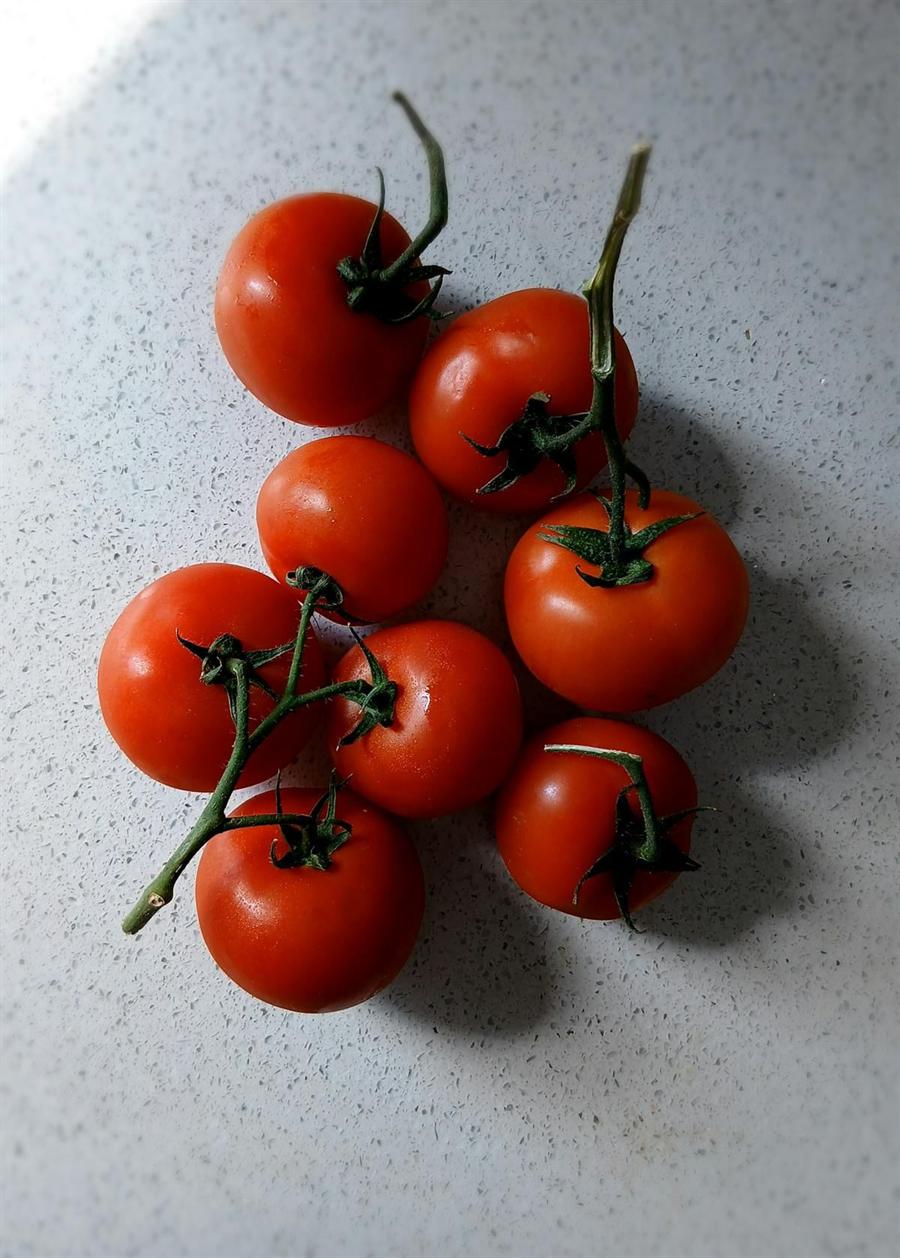
Why vegetables make meals feel more real
Vegetables are often the point where general healthy eating advice turns into actual meals. They give shape to lunches, dinners, bowls, trays, and sides, which is why this category matters so much once you start trying to eat this way more consistently.
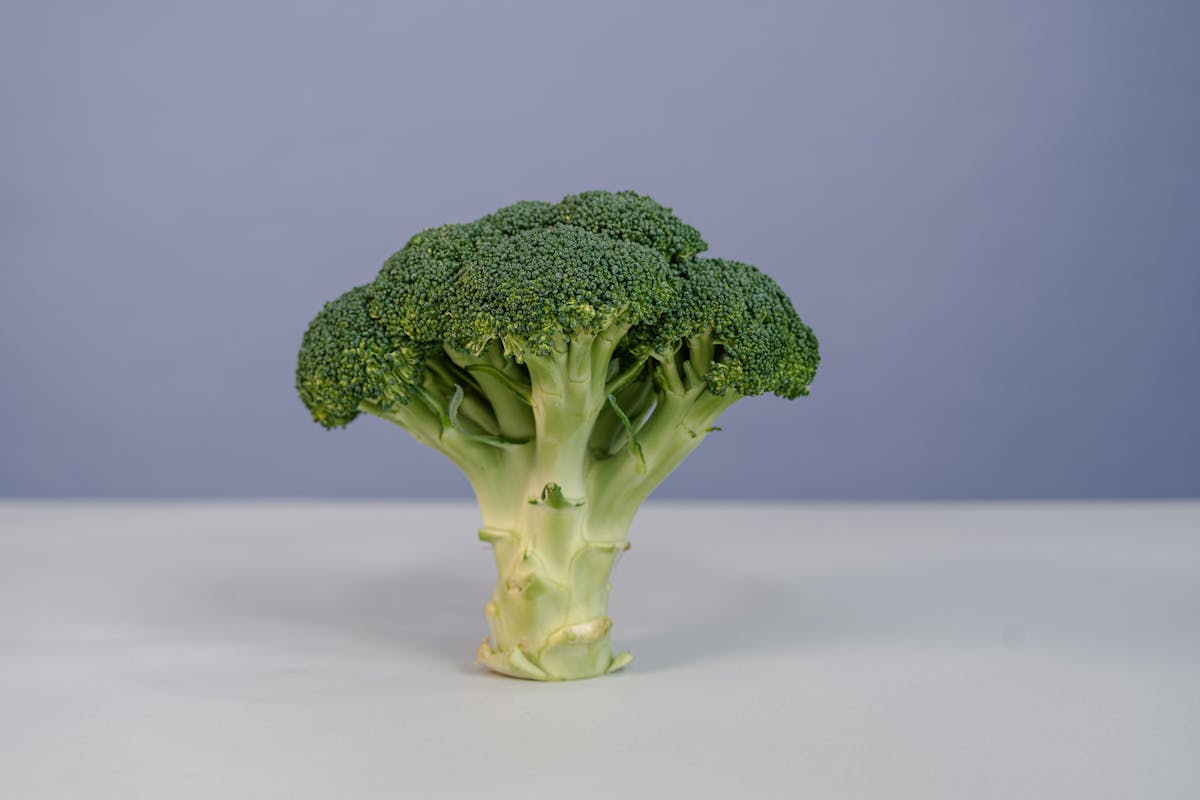
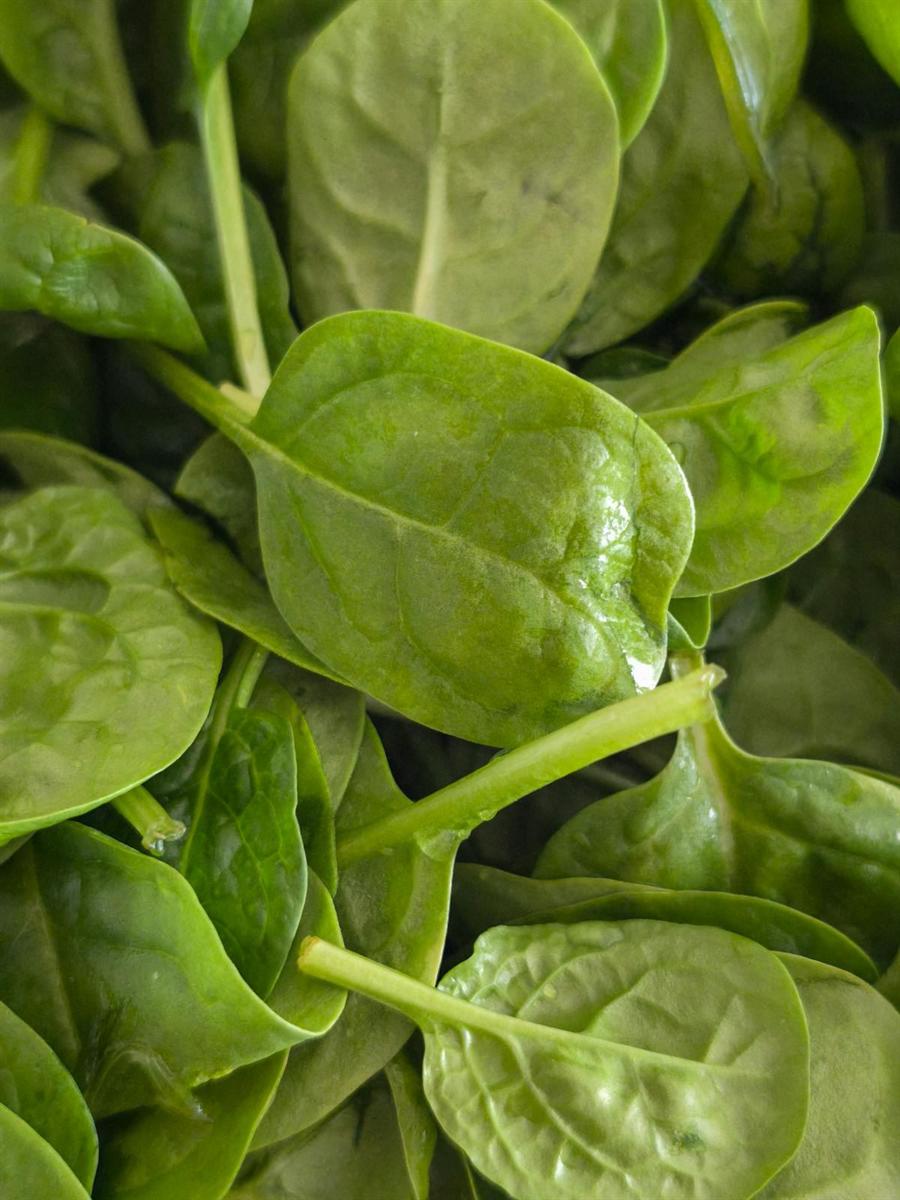
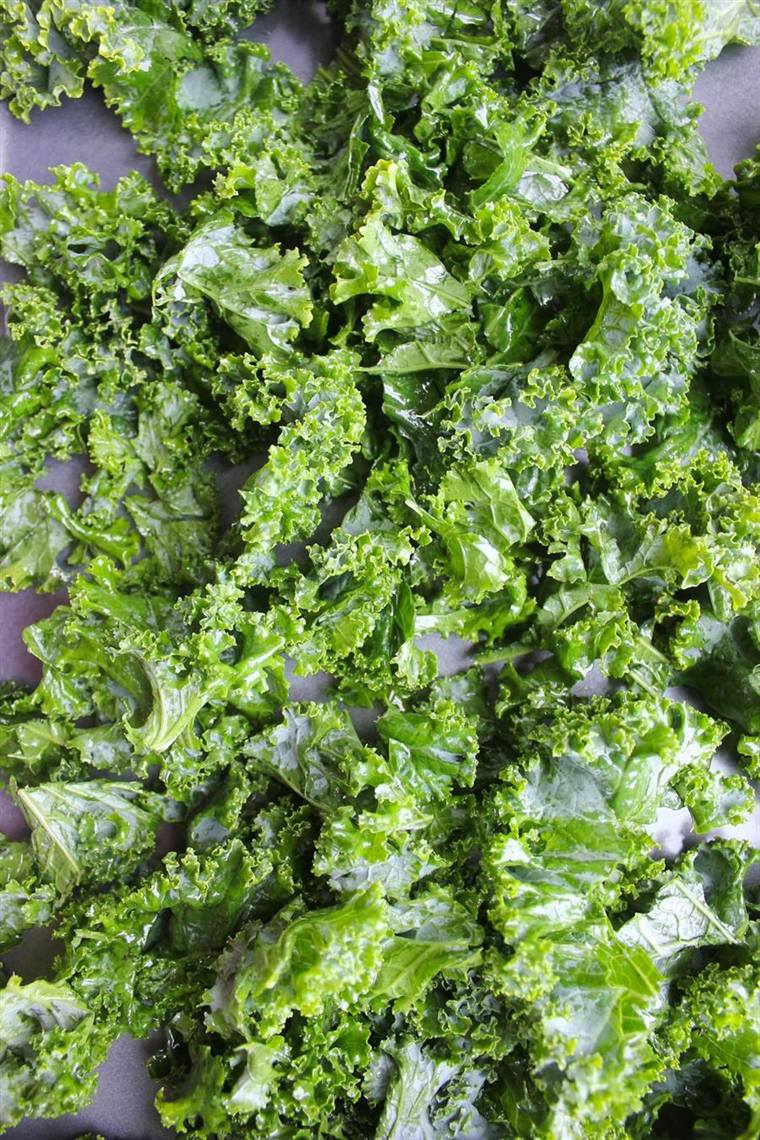
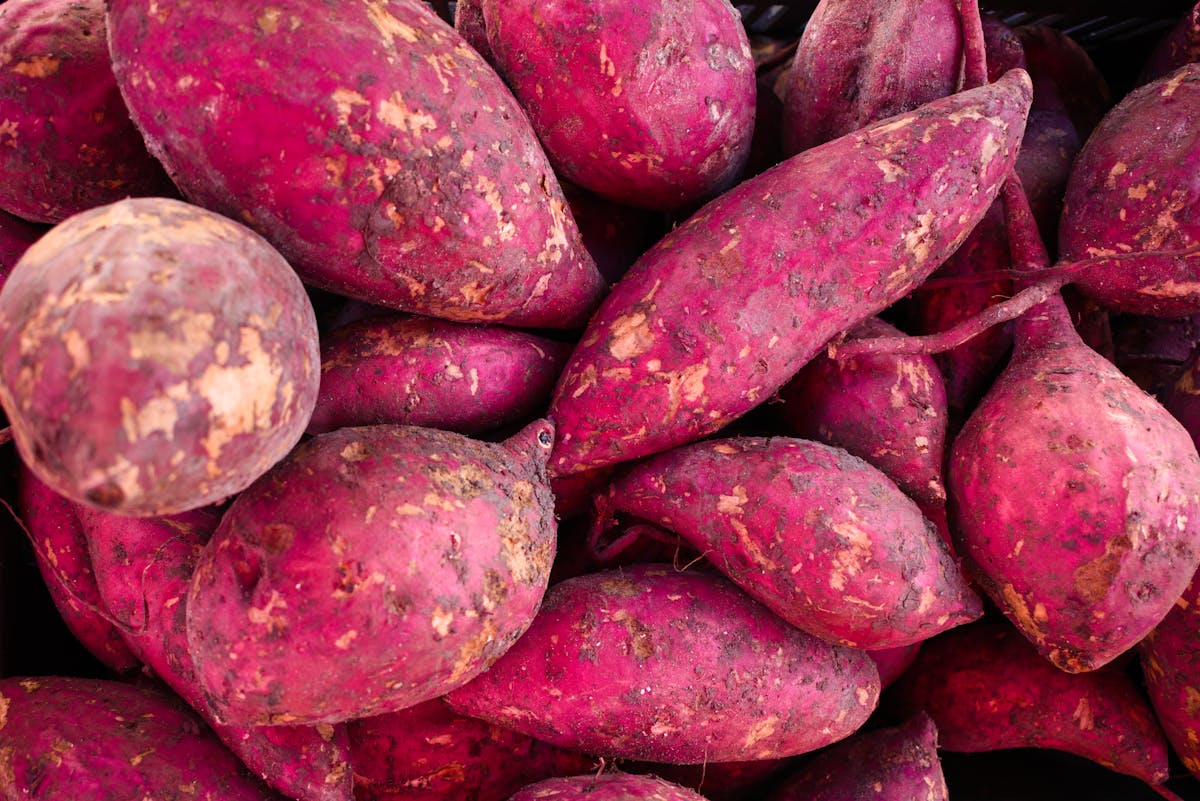
This page is most helpful when you want choices that feel practical, not idealized. Broccoli, spinach, kale, sweet potato, and tomato all fit into everyday cooking in different ways, and they can help meals feel more complete without making them complicated.
How to choose vegetables
Choose vegetables by how they fit into actual meals. Broccoli and kale hold up well in cooked dinners. Spinach is flexible because it works fresh, cooked, or blended. Sweet potato can make a meal feel more filling. Tomato is useful both fresh and cooked.
Color and variety help, but consistency matters more. One vegetable you eat often is more useful than five vegetables you buy and forget.
Easy ways to use vegetables
- Roast broccoli or sweet potato with olive oil, garlic, and rosemary.
- Add spinach to eggs, soups, smoothies, bowls, or lentils.
- Use kale in cooked meals when you want a green that keeps its texture.
- Pair tomato with olive oil, basil, avocado, chickpeas, or fish.
What to watch for
Raw vegetables are not automatically better for everyone. Some people tolerate cooked vegetables more easily, especially when digestion is sensitive. If a vegetable bothers you, try a smaller portion, a cooked version, or a different vegetable from the same category.