Broccoli
Quick answer
Broccoli can be a useful part of an anti-inflammatory diet because it adds fiber, vitamin C, and glucosinolate compounds that are often discussed in connection with sulforaphane. Its biggest strength is that it is easy to cook, easy to repeat, and simple to fit into everyday meals.
What it is
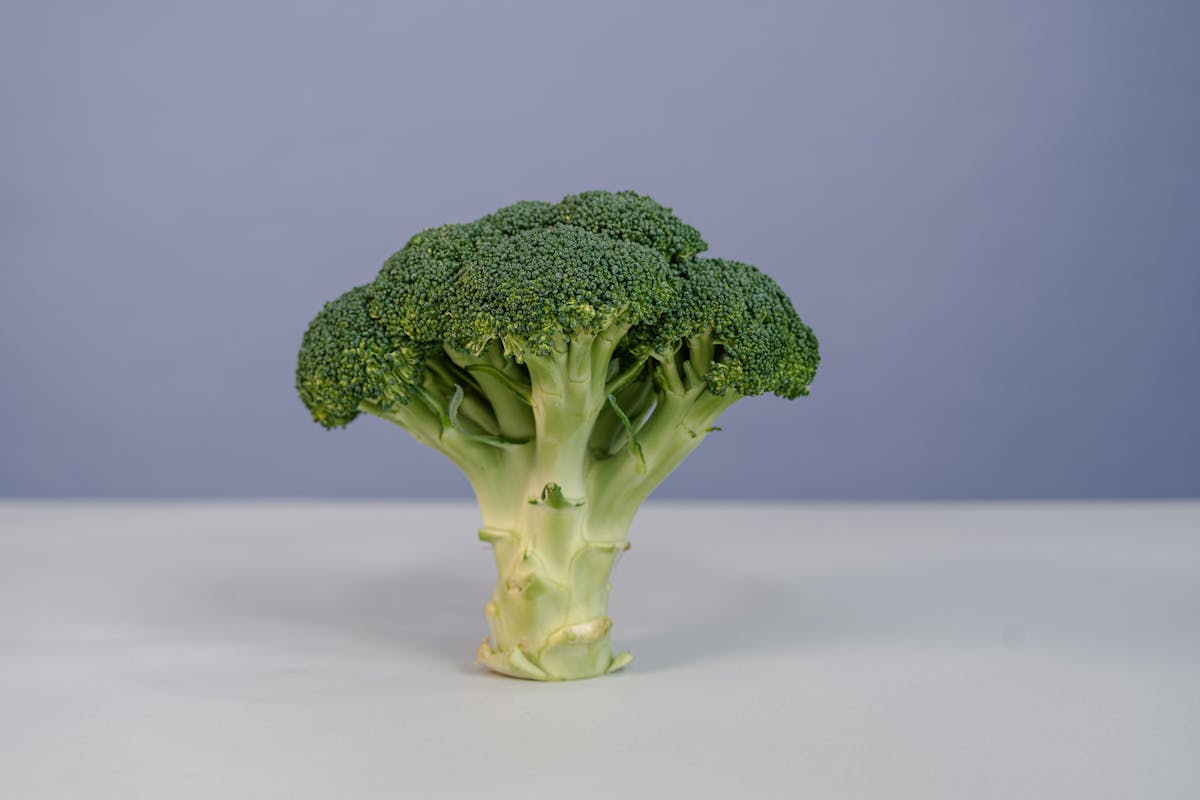
Broccoli is a green cruciferous vegetable in the Brassica family, alongside cauliflower, cabbage, and Brussels sprouts. Both the florets and stems are edible, and it is commonly sold fresh or frozen.
It is one of the most familiar vegetables in everyday cooking because it works in roasted trays, stir-fries, soups, pasta, grain bowls, and simple side dishes. That flexibility is a big part of why people keep coming back to it.
Why broccoli can be a helpful choice
Broccoli contains glucosinolates, sulfur-containing compounds that can be converted into sulforaphane when the plant is chopped, chewed, or lightly cooked. Sulforaphane is one reason broccoli often comes up in conversations about antioxidant defenses and inflammation.
Broccoli also provides vitamin C, vitamin K, fiber, and small amounts of several minerals. In practical terms, that means it is not just a green side dish. It is a nutrient-dense vegetable that can help make everyday meals feel more balanced.
Just as importantly, broccoli is widely available and easy to use often. That matters because the long-term value of a food usually comes from how consistently you can keep it in your routine.
Why broccoli is easy to use regularly
Broccoli works well for busy routines because it can be steamed, roasted, stir-fried, or eaten raw without much effort. Frozen broccoli is also a strong option when convenience matters more than presentation.
If you are trying to eat more vegetables without overthinking it, broccoli is one of the easier places to start. It is familiar, savory, and simple to pair with foods people already eat often.
Key nutrients and compounds
A 100g serving of raw broccoli provides approximately 2.8g protein, 2.6g fiber, 89mg vitamin C (99% DV), 102mcg vitamin K (85% DV), 63mg calcium, and 316mg potassium. It also contains folate, vitamin B6, and small amounts of iron and zinc.
Potential health benefits
- Adds fiber and vegetable volume to simple savory meals
- Provides vitamin C and vitamin K along with other useful micronutrients
- Brings glucosinolate compounds often discussed in relation to sulforaphane
- Works well as a repeatable vegetable in both raw and cooked meals
- Helps support a more varied vegetable pattern over the week
How to eat broccoli
- Steam broccoli for 3-4 minutes until bright green and slightly tender
- Roast broccoli florets at 220°C (425°F) with olive oil and garlic for crisp edges
- Add raw broccoli florets to salads or serve them with hummus as a crunchy snack
- Stir-fry broccoli with ginger, soy sauce, and sesame oil for a quick side dish
- Blend steamed broccoli into soups for extra body and a milder vegetable flavor
- Chop broccoli stems into matchsticks for slaws or stir-fries so less goes to waste
How often to eat broccoli
A practical place to start is a few broccoli meals each week, then let it become one of the vegetables you rotate through naturally. You do not need a perfect target for it to be useful. Regular use matters more than chasing exact numbers.
Shopping and storage
Choose broccoli with tight green florets and firm stems. Fresh broccoli should feel crisp, not soft or yellowing. Frozen broccoli is also worth keeping around if it helps you cook vegetables more consistently during the week.
FAQ
Is broccoli anti-inflammatory?
Broccoli can be a helpful part of an anti-inflammatory diet because it provides fiber, vitamin C, and glucosinolate compounds that are often discussed in connection with sulforaphane. It works best as a vegetable you use regularly, not as a standalone fix.
Is raw or cooked broccoli better?
Both can be useful. Raw broccoli keeps more of its natural enzymes, while lightly cooked broccoli is often easier to digest and still adds plenty of nutritional value. A mix of both is a practical approach.
Does frozen broccoli still have benefits?
Yes. Frozen broccoli is still a good everyday option, especially when convenience helps you eat vegetables more consistently.
Can I eat broccoli every day?
Yes. Broccoli is safe for daily use for most people and can be an easy vegetable to keep in regular meals.
Evidence note
Broccoli is often highlighted because of its glucosinolate compounds and the research attention given to sulforaphane. Even so, it makes the most sense to think of broccoli as one supportive vegetable inside a larger anti-inflammatory eating pattern.
This page does not treat broccoli as a medical intervention. It describes broccoli as a practical, repeatable vegetable that can support better overall dietary quality.