Blueberries
Quick answer
Yes. Blueberries can be a useful part of an anti-inflammatory diet because they provide anthocyanins, fiber, and vitamin C. Their real strength is how easy they are to use often in breakfasts, snacks, smoothies, and simple meals.
What blueberries are and how they fit an anti-inflammatory diet
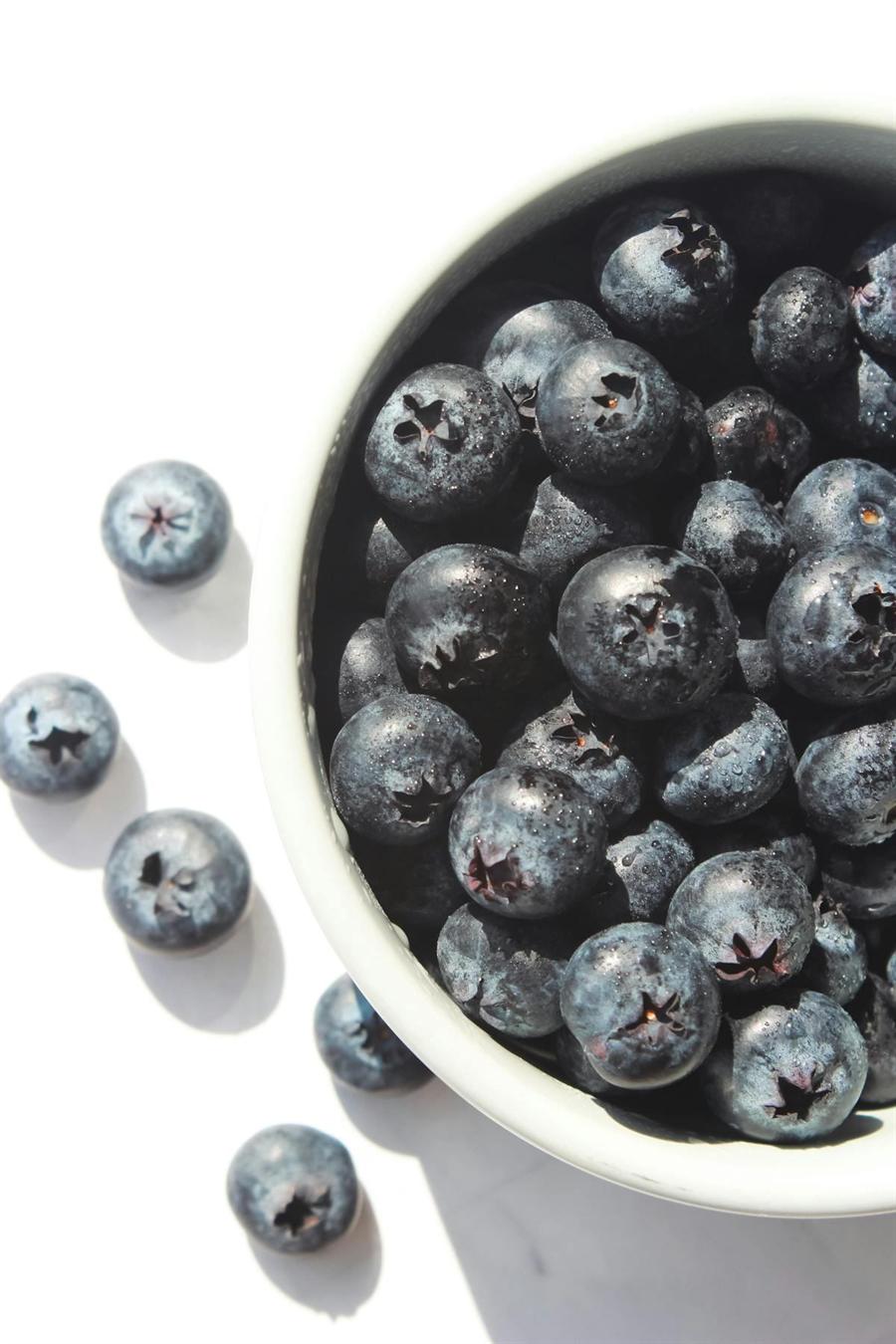
Blueberries are small blue-purple berries commonly eaten fresh, frozen, or blended into smoothies. They are one of the most familiar berries in anti-inflammatory food lists because they are widely available, easy to store, and simple to use.
Unlike foods that require a special recipe or extra planning, blueberries fit naturally into routines many people already have. They can go into oatmeal, yogurt, snack bowls, salads, and quick desserts without much effort, which is a big reason they come up so often in questions about inflammation.
Why blueberries are often a strong anti-inflammatory choice
Blueberries contain anthocyanins, a group of polyphenol compounds that give the berries their deep color. These compounds are one reason blueberries are often discussed in conversations about inflammation and antioxidant-rich eating patterns.
Blueberries also bring fiber and vitamin C, which makes them a practical fruit to use when you want more variety in everyday meals. Their biggest advantage is that they are easy to eat often, and that kind of repeatable habit matters more than treating any one food like a cure.
That is a more realistic way to think about them. Blueberries can support an anti-inflammatory pattern, but they make the most sense as part of a broader mix of fruits, vegetables, whole foods, and routine meals.
Why blueberries are easy to keep in your routine
Blueberries work well because they ask very little from you. You can keep fresh berries in the fridge, frozen berries in the freezer, and add them to foods you already eat without having to build a whole new routine around them.
That convenience is part of what makes them valuable. They can help healthy eating feel more repeatable, especially if you want one fruit that works equally well in breakfast bowls, snacks, and lighter desserts.
Key nutrients in blueberries
- Vitamin C
- Vitamin K
- Fiber
- Anthocyanins
Do blueberries help with inflammation?
Blueberries may help support an anti-inflammatory eating pattern because they provide anthocyanins along with fiber and vitamin C. They are not usually treated as a standalone answer to inflammation, but they are one of the easiest fruits to use consistently.
That consistency matters. When people ask whether blueberries help with inflammation, the practical answer is that they can be a supportive everyday fruit inside a broader pattern that also includes vegetables, whole foods, healthy fats, and regular meals.
Can blueberries reduce inflammation?
Blueberries are often mentioned in conversations about reducing inflammation because of their anthocyanins, but it is better to think about them as one useful food rather than a cure. No single fruit carries the whole pattern on its own.
If you are trying to build a more anti-inflammatory diet, blueberries can make sense because they are easy to repeat. They fit naturally into breakfasts, snacks, and simple desserts, which makes them more realistic to keep using than foods that only sound good in theory.
Potential health benefits
- Helps add polyphenol-rich fruit to everyday meals and snacks
- Supports a fruit-rich eating pattern with fiber and antioxidant variety
- Works well in simple routines that are easy to repeat consistently
How to eat blueberries
- Add fresh blueberries to oatmeal, overnight oats, or yogurt bowls
- Blend frozen blueberries into smoothies for an easy breakfast or snack
- Pair blueberries with chia pudding, nuts, or cottage cheese
- Scatter them over salads or grain bowls when you want a little sweetness
How to shop for and store blueberries
Choose berries that look dry, plump, and evenly colored. Refrigerate fresh blueberries and wash them just before eating. Frozen blueberries are also useful when convenience, cost, or year-round consistency matters more than buying fresh every time.
FAQ
Are blueberries anti-inflammatory?
Blueberries can be a helpful part of an anti-inflammatory diet because they provide anthocyanins, fiber, and vitamin C. They work best as a food you use regularly, not as a treatment on their own.
Do blueberries help with inflammation?
They may help support an anti-inflammatory eating pattern because they add polyphenols, fiber, and fruit variety to meals. Their biggest strength is that they are easy to eat often.
Can blueberries reduce inflammation?
Blueberries are often discussed in connection with inflammation because of their anthocyanins, but it is more accurate to think of them as one supportive food inside a broader diet rather than as a single fix.
Do blueberries cause inflammation?
For most people, no. Blueberries are generally considered a supportive fruit in anti-inflammatory eating patterns, though personal tolerance can vary.
Are frozen blueberries still a good choice?
Yes. Frozen blueberries can still be a practical option, especially for smoothies, oatmeal, and other routine uses.
Evidence note
This page keeps the framing careful and evidence-aware. Blueberries are described here as a supportive fruit within an anti-inflammatory dietary pattern, not as a standalone medical solution.
The strongest claims on this page stay broad and food-based: blueberries provide anthocyanins, fiber, and vitamin C, and they are easy to use regularly. It does not claim that blueberries independently prevent or treat inflammation-related disease.