Anti-Inflammatory Fruits
Fruit is often one of the easiest places to start because it fits naturally into breakfasts, snacks, and simple everyday meals. This category brings together options that feel easy to use and easy to keep around, not complicated to plan around.
Foods in this category
Why fruit can be easy to use every day
Fruit is often one of the easiest parts of an anti-inflammatory pattern to keep up with. You do not need a full meal plan to use it well. It can make breakfast feel fresher, give snacks a more satisfying base, or add something simple to meals that already feel a little plain.
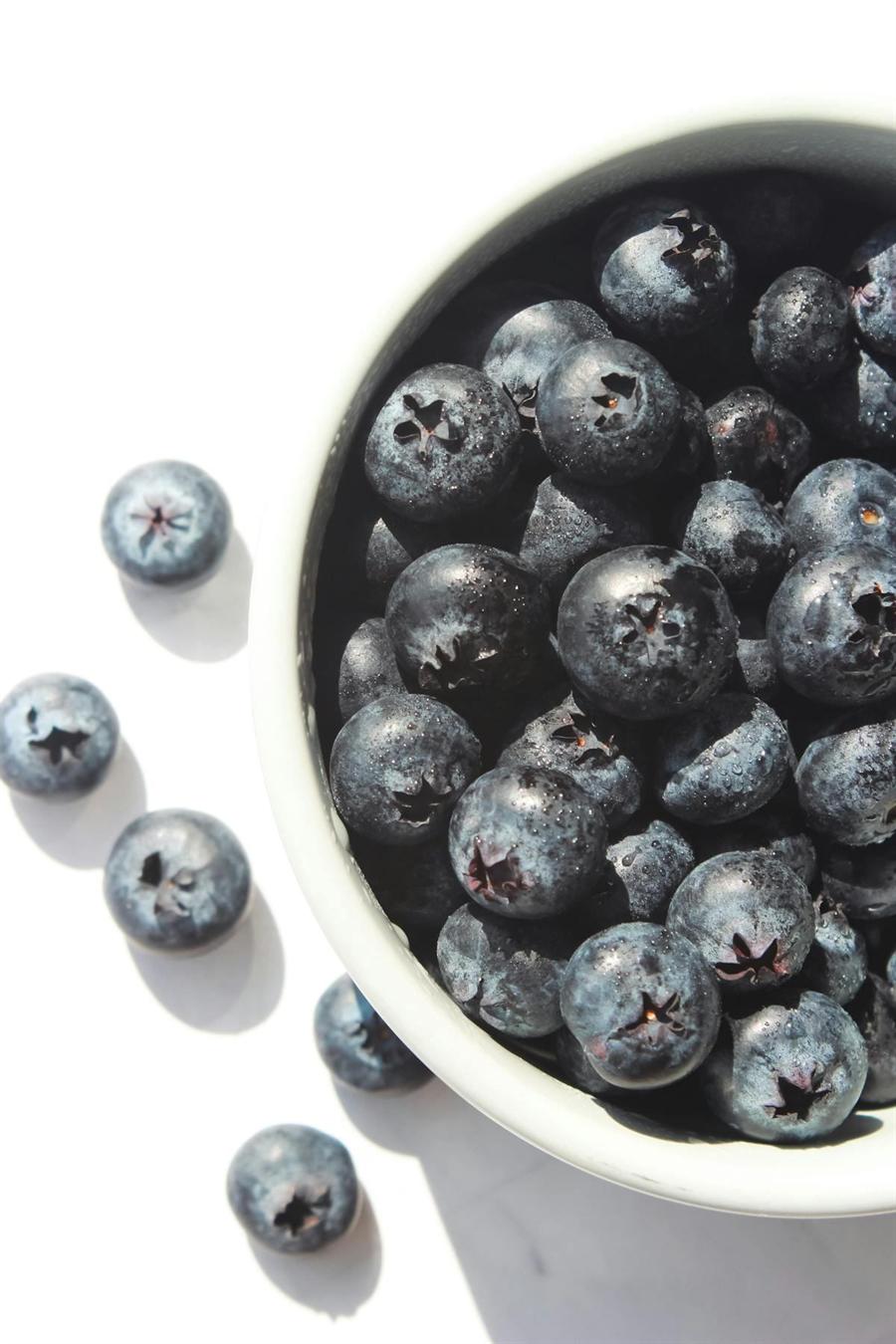
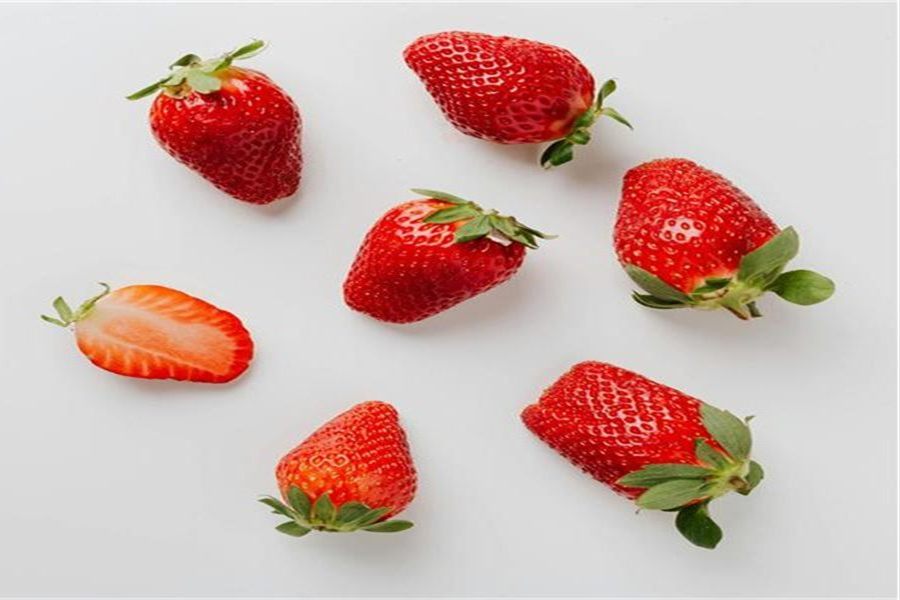
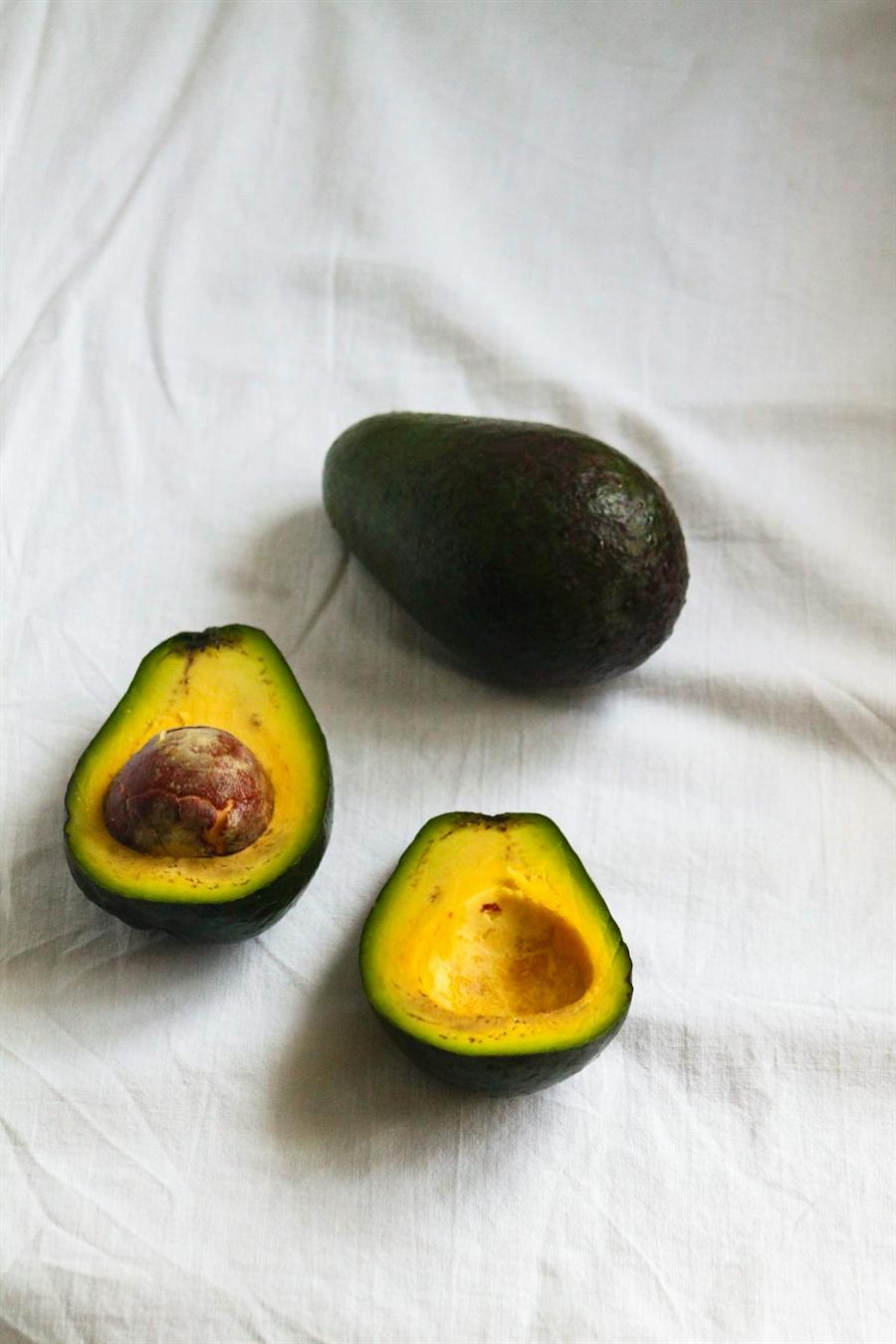
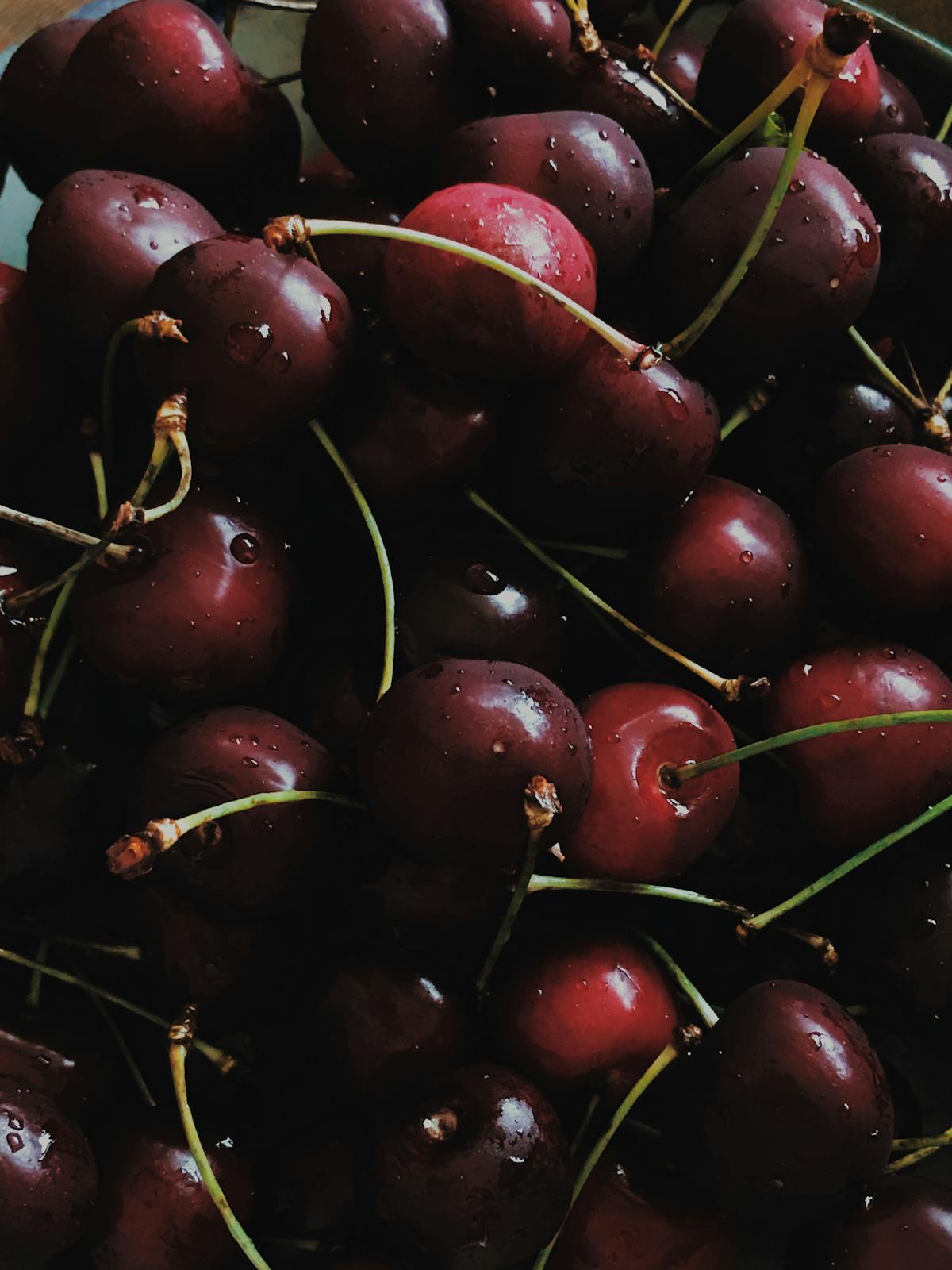
This category is most helpful when you want choices that feel familiar and low-effort. Blueberries, strawberries, cherries, and avocado all work in slightly different ways, but they share the same advantage: they are easy to keep around and easy to use again tomorrow.
How to choose fruit
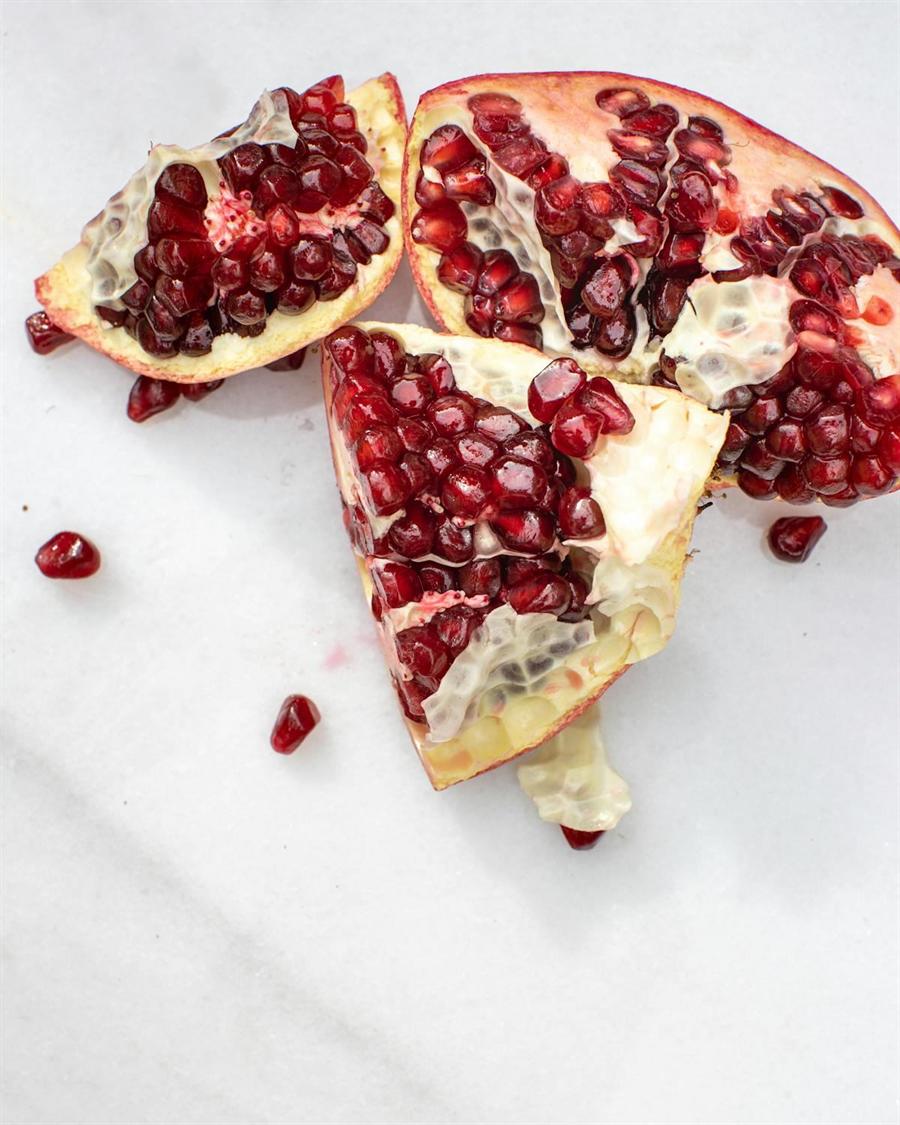
Choose fruit by use case, not only by nutrient lists. Berries are easy for breakfast and snacks. Cherries work well when you want something simple and sweet. Avocado is useful when you need a meal to feel more complete. Pomegranate can add color and texture when meals feel repetitive.
Fresh, frozen, and packaged fruit can all have a place. Frozen berries are often the easiest option for smoothies, oats, and yogurt bowls because they last longer and reduce waste.
Easy ways to use fruit
- Add blueberries or strawberries to oats, yogurt, chia pudding, or smoothies.
- Use avocado in bowls, toast, salads, or simple lunches with legumes.
- Keep cherries or berries ready for snacks when you want something sweet.
- Add pomegranate seeds to salads, grain bowls, or yogurt for texture.
What to watch for
Fruit is usually most helpful when eaten whole rather than as juice. Whole fruit brings fiber and tends to be more satisfying. If you are managing blood sugar, digestive symptoms, allergies, or a specific medical plan, portions and fruit choices may need to be more personal.