Kale
Quick answer
Kale is one of the most nutrient-dense leafy greens, providing kaempferol and quercetin, glucosinolates, and exceptionally high levels of vitamins K, C, and A per calorie. It is often easier to keep in your routine once you treat it as a flexible cooking green rather than only as a raw salad ingredient.
What kale is and how it fits an anti-inflammatory diet
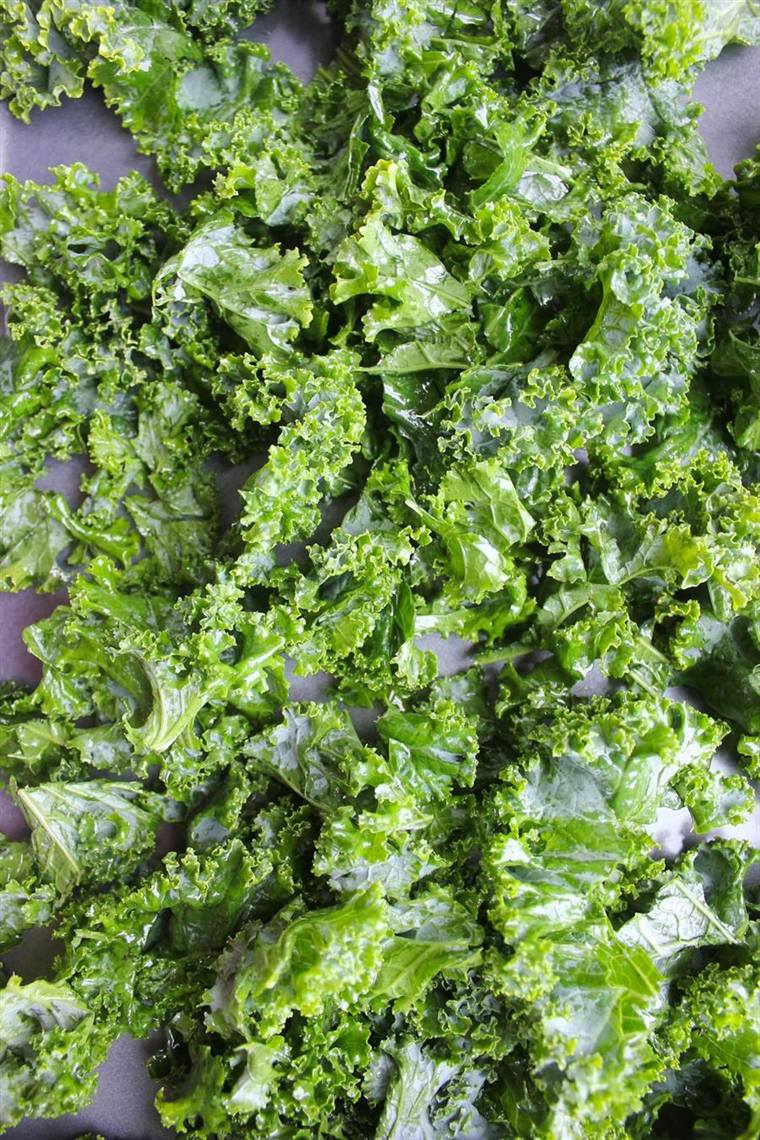
Kale (Brassica oleracea var. sabellica) is a cruciferous leafy green related to broccoli, cabbage, and Brussels sprouts. Common varieties include curly kale, lacinato (dinosaur/Tuscan) kale, and red Russian kale. It is available fresh, frozen, and as dried kale chips.
Kale has been cultivated in Europe since the Middle Ages and was one of the most common green vegetables until the modern era. It experienced a major resurgence in popularity in the 2010s. Today it shows up in salads, smoothies, soups, stir-fries, and baked chips, but many people find it easiest to keep using when it is folded into warm meals rather than treated as a raw challenge.
Why kale may support an anti-inflammatory diet
Kale contains kaempferol and quercetin, two flavonoids that have been studied for their ability to inhibit NF-kB signaling and reduce the production of pro-inflammatory cytokines like TNF-alpha and IL-6. These compounds are present in meaningful amounts in raw and lightly cooked kale.
As a cruciferous vegetable, kale also contains glucosinolates that are converted to isothiocyanates when the plant cells are broken by chopping or chewing. These compounds activate the Nrf2 antioxidant defense pathway, similar to sulforaphane in broccoli.
Why cooked kale often feels easier to keep eating
Kale has a strong personality. That is part of its appeal, but it is also why many people buy it once, use it in a very earnest salad, and then do not come back to it for a while. Cooking softens the texture, rounds out the bitterness, and makes kale feel more like a normal vegetable side instead of something you have to push through.
For everyday use, that matters. A vegetable that works in soups, sautes, grain bowls, pasta, and egg dishes is usually more valuable than one that only feels convincing when dressed up as a perfect salad.
Key nutrients and compounds
A 100g serving of raw kale provides approximately 4.3g protein, 120mg vitamin C (133% DV), 254mcg vitamin K (212% DV), 500mcg beta-carotene (converted to vitamin A), 150mg calcium, and 1.5mg iron. It contains only 49 calories per 100g, making it one of the most nutrient-dense foods by calorie.
Potential health benefits
- Exceptionally high vitamin K content supports bone health and blood clotting
- Contains kaempferol and quercetin with studied anti-inflammatory effects
- Provides more vitamin C per calorie than most fruits
- Glucosinolates activate cellular antioxidant defense pathways
- High calcium content for a plant food, useful for dairy-free diets
How to eat kale
- Massage raw kale with olive oil and lemon juice for tender salads
- Blend into green smoothies with banana, berries, and nut milk
- Bake kale chips with olive oil and sea salt at 150C for 15 minutes
- Saute with garlic and olive oil as a quick side dish
- Add chopped kale to soups and stews in the last 10 minutes of cooking
- Use lacinato kale in Italian ribollita or white bean soup
How to make kale less bitter
If raw kale tastes too assertive, start with lacinato kale rather than curly kale. Slice it thinly, massage it with olive oil and lemon juice, and give it a few minutes to soften before eating. Those small steps change the texture more than many people expect.
Cooked kale is often the easier entry point. A quick saute with garlic, folding chopped kale into soup, or adding it to beans and grains usually gives a gentler result than starting with a large raw salad.
How to shop for and store kale
Choose kale with firm, deeply colored leaves and no yellowing. If you are new to kale, lacinato often feels a little more approachable than curly kale. Store unwashed in a plastic bag in the refrigerator for up to 5-7 days. Frozen kale is pre-washed and especially useful for soups, sautes, and smoothies.
FAQ
Is kale a good anti-inflammatory vegetable?
Kale can be a strong anti-inflammatory vegetable because it provides flavonoids like kaempferol and quercetin, along with glucosinolates and high levels of vitamins K and C. It tends to work best when it is part of regular meals rather than treated like a food that has to do everything on its own.
Is raw or cooked kale healthier?
Both have advantages. Raw kale retains more vitamin C, while cooking reduces oxalates and makes some nutrients more bioavailable. Lightly steaming or sauteing is a good compromise.
How do I reduce the bitterness of kale?
Massaging raw kale with olive oil and acid like lemon juice or vinegar helps soften the leaves and reduce bitterness. Lacinato kale is often milder than curly kale, and cooked kale usually tastes gentler than raw.
Can kale affect thyroid function?
Normal dietary amounts of kale are fine for most people. Cooking reduces the goitrogen content, so people who prefer to be cautious often do better with cooked kale than with very large amounts of raw kale.
Is kale better than spinach?
They have different strengths. Kale is higher in vitamins K and C, while spinach is higher in folate and iron. Both are useful leafy greens and can take turns in the same routine.
Evidence note
Research on cruciferous vegetables and inflammation is supported by epidemiological data showing associations between higher cruciferous intake and lower inflammatory markers. Kaempferol and quercetin have been studied in cell and animal models, with human data primarily from dietary pattern studies.
This page describes kale as a supportive food within a broader anti-inflammatory eating pattern, not as a standalone medical treatment.