Anti-Inflammatory Whole Grains and Legumes
Whole grains and legumes help build meals that feel steady, filling, and easier to keep up with over time. This category brings together simple staples that work well when you want breakfasts, lunches, and easy dinners to feel more complete.
If you are trying to make everyday meals more dependable, this is often one of the best places to start. Foods like oats, lentils, chickpeas, and quinoa can help a routine feel more realistic because they are practical, familiar, and easy to use again and again.
Foods in this category
Why whole grains and legumes help meals feel more steady
Whole grains and legumes are often the foods that make an anti-inflammatory routine feel easier to live with. They bring more staying power to breakfast, lunch, and meal prep, which matters when you are trying to build meals that actually keep you going instead of leaving you hungry an hour later.
This category can be especially helpful if you want a few dependable staples to fall back on. Oats, lentils, chickpeas, and quinoa all make it easier to put together meals that feel simple, filling, and worth repeating through the week.
How to choose a filling base
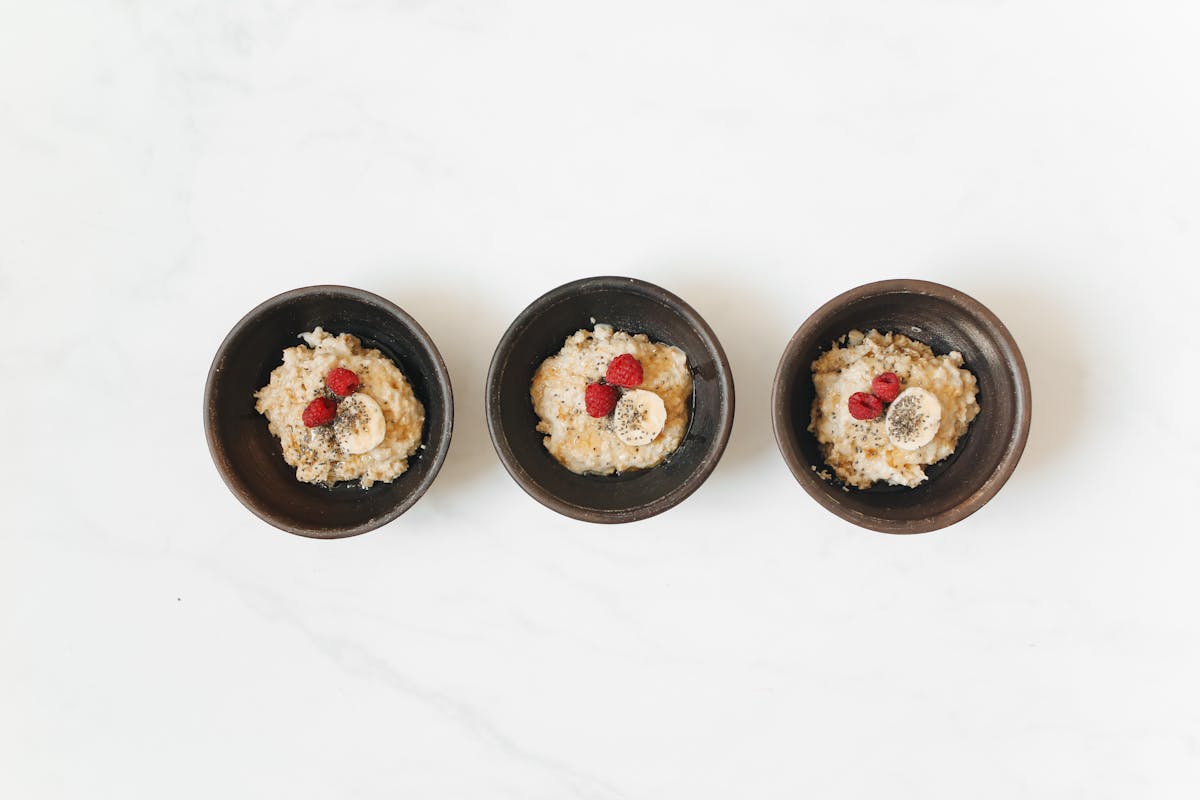
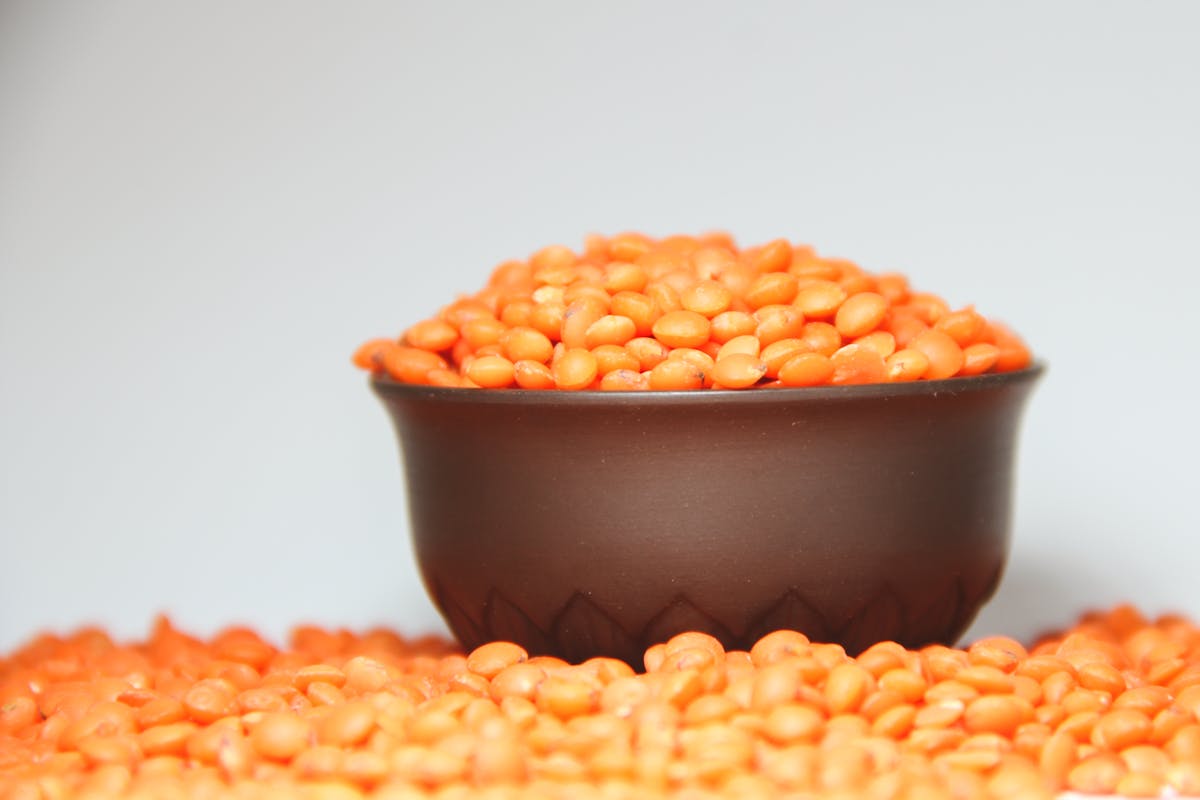
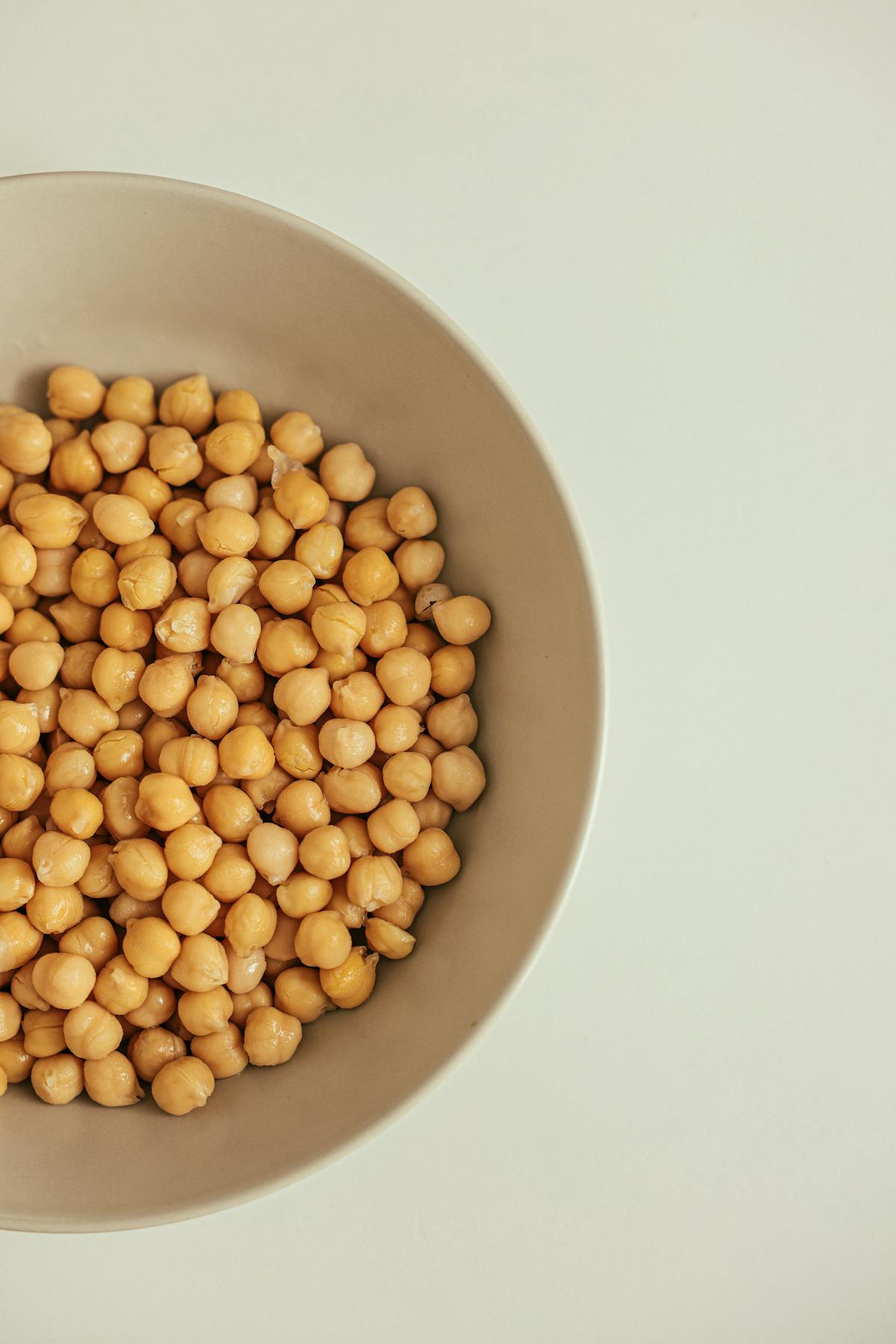
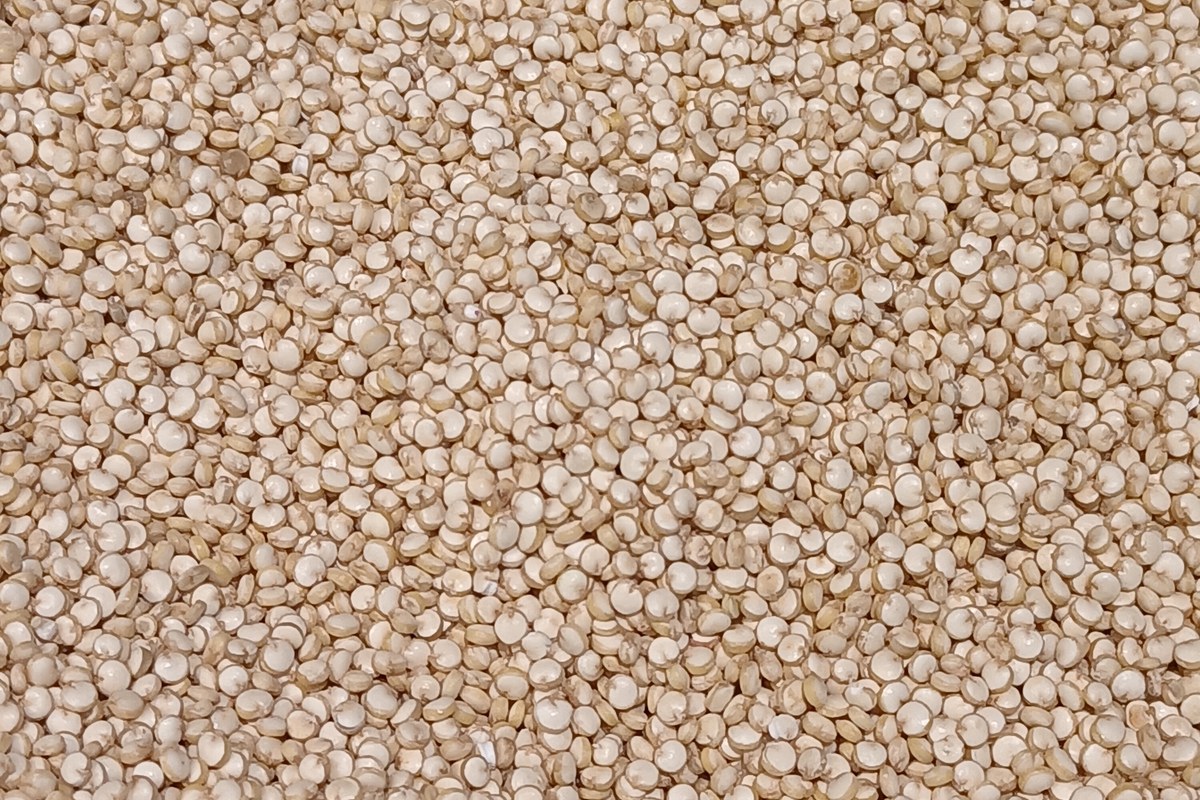
Whole grains and legumes help meals feel steady because they bring fiber, texture, and staying power. Oats are a simple breakfast base. Lentils and chickpeas work well for soups, bowls, and meal prep. Quinoa can be useful when you want a quick grain for salads or dinners.
Pick the base that fits the meal you already make. If breakfast is easiest, start with oats. If lunch is the weak spot, start with lentils, chickpeas, or quinoa.
Easy ways to use this category
- Build breakfast with oats, berries, chia seeds, walnuts, and cinnamon.
- Use lentils in soups with garlic, tomato, spinach, and olive oil.
- Add chickpeas to salads, bowls, hummus, or roasted snacks.
- Use quinoa under salmon, vegetables, avocado, or herbs.
What to watch for
Legumes can bother some people at first, especially if fiber intake has been low. Start with smaller portions, rinse canned beans, and increase gradually. If you have digestive conditions or specific dietary restrictions, choose the options that fit your tolerance.