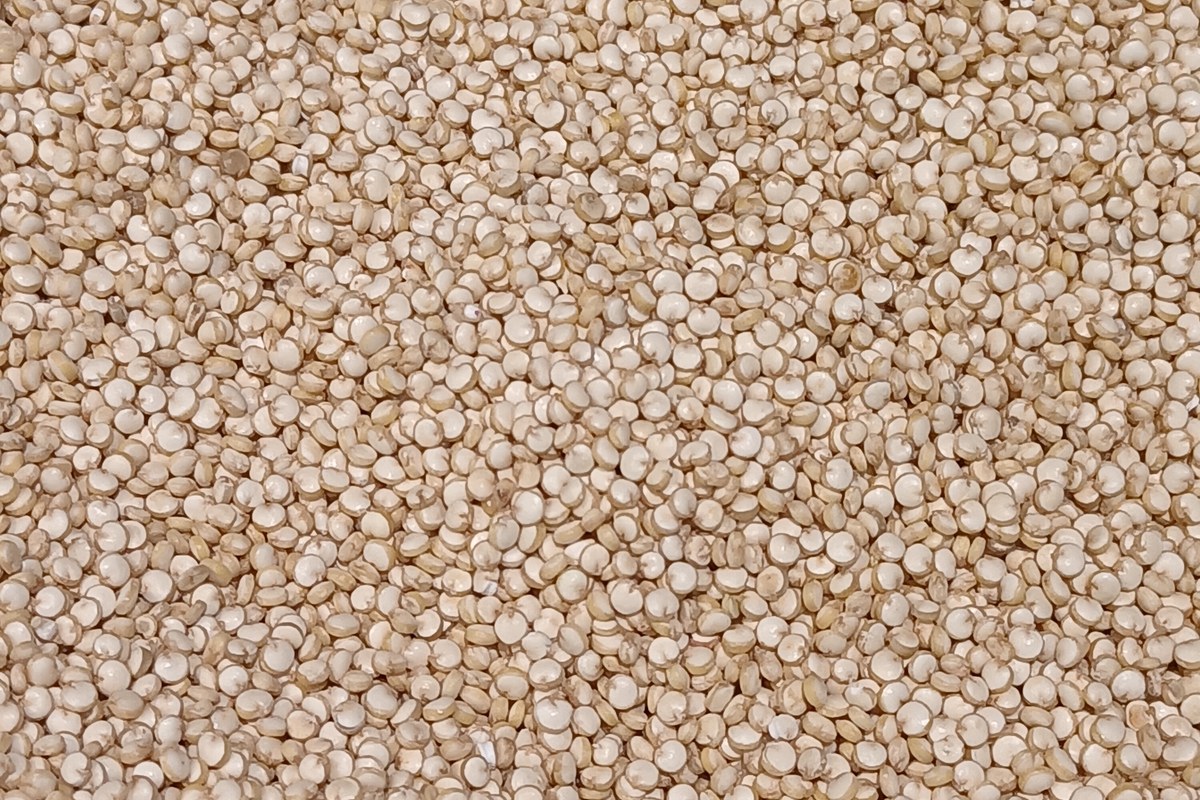
Quinoa
Quick answer
Quinoa is a seed that cooks like a grain and makes bowls, salads, and meal prep easier. It brings more protein than many grain-style sides, plus fiber, magnesium, iron, and naturally gluten-free flexibility.
What it is
Quinoa (Chenopodium quinoa) is a seed crop native to the Andean region of South America, where it has been cultivated for over 5,000 years. Despite being used like a grain, it is botanically a pseudocereal related to spinach and beets. The three main commercial varieties are white, red, and black quinoa.
Quinoa gained global popularity in the 2010s as a health food and is now grown in over 70 countries. It is used as a base for grain bowls, in salads, as a breakfast porridge, and as a side dish. It cooks in about 15 minutes and has a mild, slightly nutty flavor.
Why quinoa may support an anti-inflammatory diet
Quinoa helps most when it replaces a less satisfying refined starch or when it makes a vegetable bowl feel like a real meal. It gives you fiber, plant protein, minerals, and small amounts of flavonoids such as quercetin and kaempferol.
Its real strength is not that it is a magic grain. It is that it is easy to cook, easy to store, and easy to pair with vegetables, beans, olive oil, herbs, salmon, chickpeas, or lentils.
Key nutrients and compounds
A 100g serving of cooked quinoa provides approximately 4.4g protein, 2.8g fiber, 64mg magnesium (15% DV), 1.5mg iron (8% DV), 0.6mg manganese (28% DV), and 172mg potassium (4% DV). It contains about 120 calories per 100g cooked. Quinoa is also a good source of B vitamins including folate and B6.
Potential health benefits
- Complete protein with all nine essential amino acids - rare for plant foods
- Contains quercetin and kaempferol with studied anti-inflammatory effects
- Naturally gluten-free, suitable for celiac disease and gluten sensitivity
- Higher polyphenol content than most true cereal grains
- Quick-cooking and versatile base for meals
How to eat quinoa
- Cook quinoa as a base for grain bowls with roasted vegetables and tahini
- Use as a breakfast porridge with cinnamon, berries, and nuts
- Add cooked quinoa to salads for protein and texture
- Substitute quinoa for rice in stir-fries and pilafs
- Make quinoa tabbouleh with parsley, tomato, cucumber, and lemon
- Use quinoa flour in baking for gluten-free, higher-protein options
Shopping and storage
Rinse quinoa before cooking to remove saponin coating, which can taste bitter. Most commercial quinoa is pre-rinsed but a quick rinse is still recommended. Store dry quinoa in an airtight container for up to 2 years. Cooked quinoa keeps in the refrigerator for 5-7 days.
FAQ
Is quinoa anti-inflammatory?
Quinoa can be part of an anti-inflammatory diet because it helps make meals more complete: fiber, plant protein, minerals, and a base that works with vegetables, beans, fish, olive oil, and herbs.
Is quinoa better than rice?
It depends on the meal. Quinoa usually gives you more protein and a little more fiber than white rice, so it can make a bowl or salad feel more complete. Rice can still fit; quinoa is simply a useful option when you want more staying power.
Is quinoa actually a grain?
Not technically. Quinoa is a seed that cooks and eats like a grain, so most people use it like rice, oats, or couscous. It is naturally gluten-free, which can make it useful for people avoiding wheat.
Which color quinoa is healthiest?
Red and black quinoa may have a bit more color-linked plant compounds, but the difference is not big enough to worry about. Pick the color you like and will actually cook.
Do I need to rinse quinoa?
A quick rinse is still a good habit. It helps remove any bitter or soapy taste from saponins on the outside of the seed, even if the package says the quinoa was pre-rinsed.
Can I eat quinoa every day?
You can, but you do not have to. Quinoa is most useful as one option in a rotation with oats, brown rice, lentils, chickpeas, sweet potatoes, and other staple foods.
Evidence note
Research on quinoa specifically is more limited than on other staple grains, but its quercetin and kaempferol content connects it to the broader flavonoid literature. Studies on quinoa consumption have shown favorable effects on blood lipids and blood sugar markers in small clinical trials.
This page describes quinoa as a supportive food within a broader anti-inflammatory eating pattern, not as a standalone medical treatment.