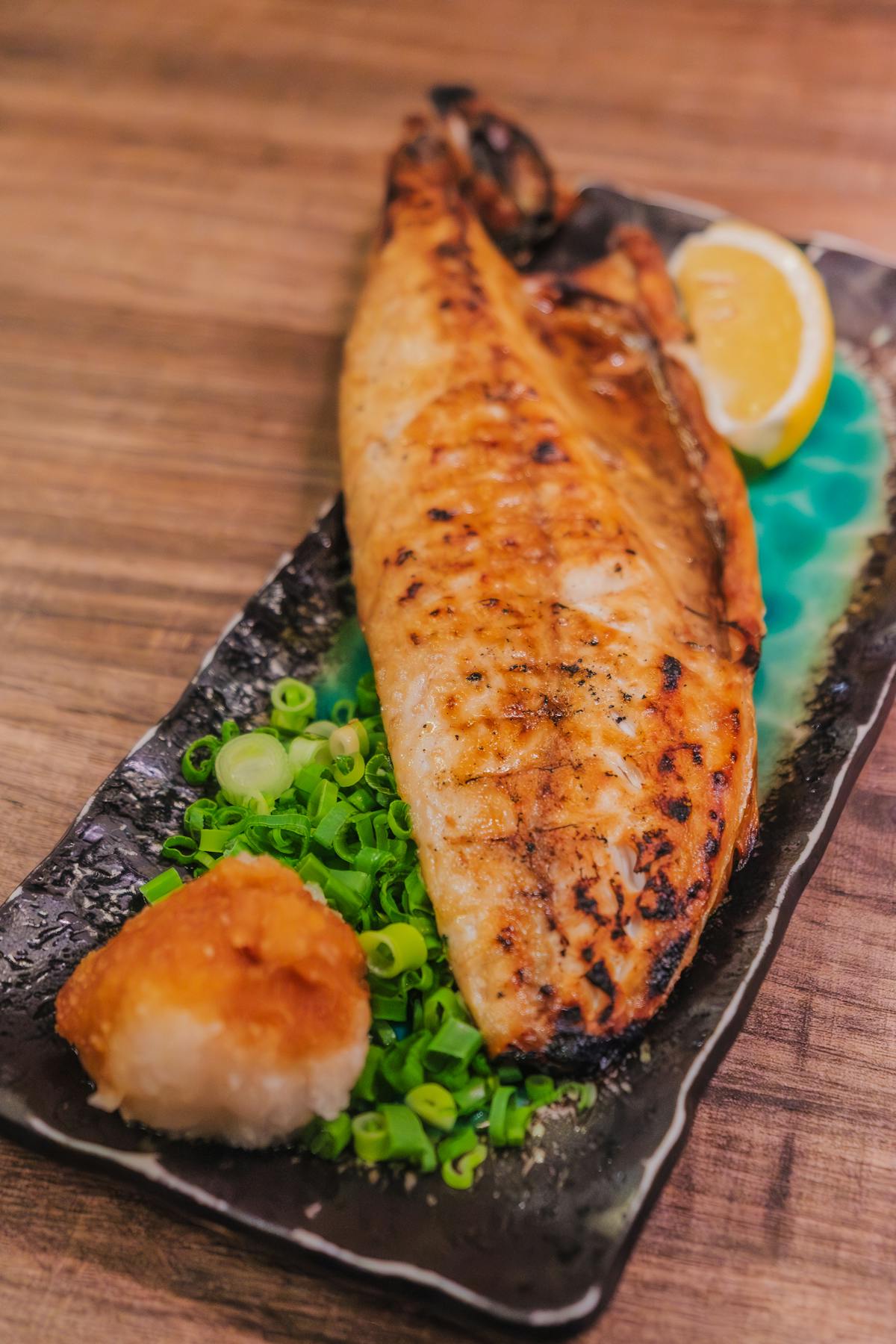
Mackerel
Quick answer
Mackerel can fit well into an anti-inflammatory diet because it brings omega-3 fats and protein into meals without requiring complicated cooking. For everyday use, choose lower-mercury mackerel options such as Atlantic mackerel more often, and avoid king mackerel if mercury is a concern.
What it is
Mackerel is a family of oily fish with a rich flavor and a firm texture. It is sold fresh, frozen, smoked, and canned, which makes it more flexible than many people expect.
In everyday cooking, mackerel can play a similar role to salmon or sardines: a protein-rich fish that helps make a meal feel complete. It is especially useful when you want a quick dinner that does not depend on heavy sauces or a long ingredient list.
Why mackerel may support an anti-inflammatory diet
Mackerel provides EPA and DHA omega-3 fatty acids, the marine omega-3s often discussed in relation to inflammation support. It also brings protein, vitamin B12, selenium, and vitamin D into a meal.
The practical value is just as important. If you can keep one or two fish meals in rotation, it becomes easier to build balanced plates with vegetables, whole grains, legumes, herbs, and healthy fats.
Key nutrients and compounds
Mackerel is known for EPA and DHA omega-3 fats, high-quality protein, vitamin B12, selenium, niacin, and vitamin D. Exact amounts vary by species, serving size, and whether the fish is fresh, smoked, or canned.
Potential health benefits
- Provides EPA and DHA omega-3 fats in a normal food form.
- Adds protein that can make vegetable-forward meals more satisfying.
- Works well with olive oil, lemon, tomato, greens, herbs, and whole grains.
- Can be used fresh, frozen, or canned depending on budget and cooking time.
- Helps add variety if you already rely on salmon or sardines.
How to eat mackerel
- Roast or pan-sear fillets with lemon, olive oil, garlic, and rosemary.
- Use canned mackerel in a bowl with quinoa, spinach, tomato, and avocado.
- Make a quick mackerel toast with whole-grain bread, mustard, herbs, and cucumber.
- Add flaked mackerel to a salad with greens, chickpeas, and a simple vinaigrette.
- Serve it with sweet potato and broccoli for a simple weeknight dinner.
Shopping and storage
Fresh mackerel should smell clean, not harsh or sour. If you buy canned mackerel, compare sodium levels and choose water or olive oil when that fits your meals. Smoked mackerel can be useful, but it is often saltier, so it works best in smaller portions with plenty of vegetables.
Mercury guidance matters with mackerel. The FDA lists king mackerel as a high-mercury fish to avoid. If you are pregnant, breastfeeding, feeding young children, or managing a health concern, follow local fish advice and ask a qualified professional for personal guidance.
FAQ
Is mackerel anti-inflammatory?
Mackerel can support an anti-inflammatory eating pattern because it provides EPA and DHA omega-3 fats, protein, vitamin B12, selenium, and other nutrients. It is best understood as one helpful food within an overall pattern, not as a treatment.
Is mackerel high in omega-3?
Yes. Mackerel is an oily fish and is commonly valued for EPA and DHA omega-3 fats, the same marine omega-3 fats often discussed with salmon and sardines.
Is canned mackerel healthy?
Canned mackerel can be a practical choice. Look for options packed in water or olive oil, compare sodium levels, and use it in simple meals such as toast, salads, bowls, or pasta.
Is king mackerel different?
Yes. King mackerel is a high-mercury fish listed by the FDA as a choice to avoid, especially for people who are pregnant, breastfeeding, or feeding young children. Atlantic mackerel and similar lower-mercury options are usually better everyday choices.
Evidence note
This page describes mackerel as a supportive food within a broader anti-inflammatory eating pattern, not as a standalone medical treatment.