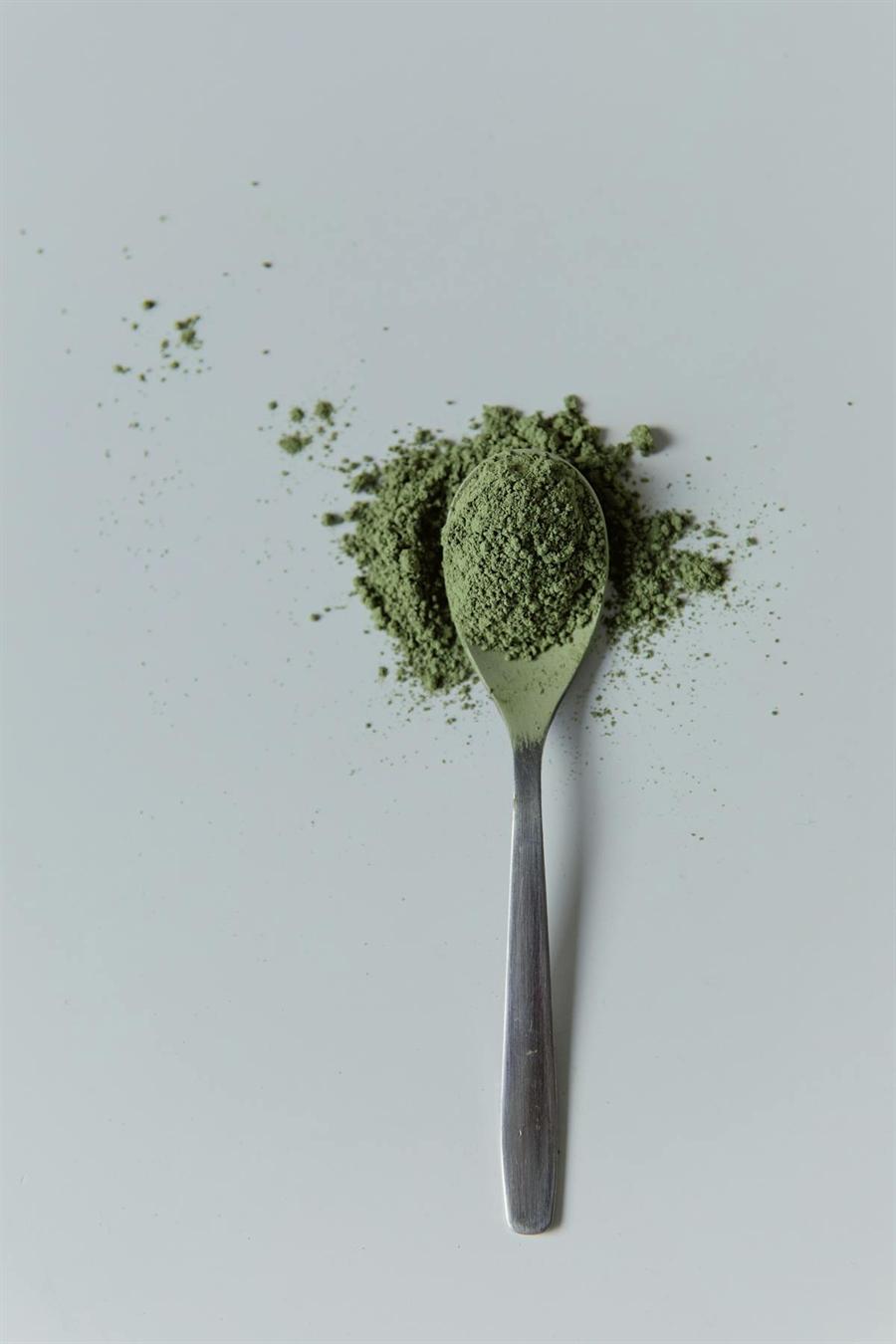
Matcha
Quick answer
Yes. Matcha can fit into an anti-inflammatory diet because it is a concentrated form of green tea that provides catechins such as EGCG along with L-theanine. Its main advantage is not that it is magical, but that it gives people another practical way to use tea regularly.
What matcha is and how it fits an anti-inflammatory diet
Matcha is a finely ground powder made from specially grown and processed green tea leaves (Camellia sinensis). The tea plants are shade-covered for 20-30 days before harvest, which increases chlorophyll and L-theanine content. The leaves are then stone-ground into a fine powder.
Because you consume the whole powdered leaf instead of just drinking an infusion, matcha is more concentrated than regular brewed green tea. That is why it comes up so often in questions about catechins, caffeine, and whether it is better than green tea for people trying to build a steady anti-inflammatory drink routine.
Why matcha is often seen as a strong anti-inflammatory drink
Because matcha uses the whole tea leaf rather than just an infusion, it usually provides more catechins per serving than brewed green tea. EGCG is the compound most people are asking about when they look up matcha and inflammation, and it is one reason matcha is often discussed in anti-inflammatory food and drink lists.
Matcha also provides L-theanine, which gives it a different feel from coffee or other caffeinated drinks. In practical terms, many people like matcha because it can feel focused without feeling too harsh, especially when it is used in a simple daily routine.
Key nutrients in matcha
A typical 2g serving of matcha powder (one teaspoon) provides approximately 60-70mg caffeine, 20-30mg L-theanine, and 100-140mg EGCG. It also contains chlorophyll, beta-carotene, vitamin K, and trace minerals. Matcha has roughly 3 times the catechin content of high-quality brewed green tea per serving.
Matcha vs green tea
Matcha and green tea both come from the same plant, but they do not feel the same in everyday use. Matcha is more concentrated because you consume the whole powdered leaf, so it usually provides more catechins and more caffeine per serving.
Brewed green tea is often easier for people who want something lighter, milder, or easier to sip more than once a day. Matcha makes the most sense when you want a more concentrated drink and you know caffeine sits well with you.
Does matcha have more caffeine than green tea?
Yes. Matcha usually contains more caffeine than a typical cup of brewed green tea because the whole leaf is being used. A common serving of matcha often lands around 60 to 70 mg of caffeine, though the exact amount varies by product and serving size.
That is not automatically a drawback. It just means matcha is often better earlier in the day or in a smaller routine, while brewed green tea may feel easier if you want something gentler or more flexible.
Potential health benefits
- Provides a more concentrated tea option than standard brewed green tea
- Adds catechins such as EGCG along with L-theanine
- Can help expand an anti-inflammatory drink routine beyond coffee or soda
- Works in hot drinks, iced drinks, smoothies, and simple breakfast add-ons
- Gives people a tea option that feels more focused and substantial
How to use matcha
- Whisk 1-2g of ceremonial grade matcha with 60-80ml of 70-80°C water using a bamboo whisk
- Make a matcha latte with frothed oat or almond milk
- Blend matcha into morning smoothies with banana and spinach
- Add culinary grade matcha to overnight oats or chia pudding
- Use matcha powder in energy ball recipes with dates and nuts
- Make iced matcha by whisking with cold water and pouring over ice
How to shop for and store matcha
Choose matcha from producers that clearly label origin and grade. Ceremonial grade is usually best for drinking on its own, while culinary grade works better in smoothies, oats, and recipes. Store matcha in an airtight container away from heat, light, and moisture, and use it relatively soon after opening for the best flavor.
FAQ
Is matcha anti-inflammatory?
Matcha can be a helpful part of an anti-inflammatory diet because it is a concentrated green tea powder that provides catechins such as EGCG along with L-theanine. It works best as one steady drink choice inside a broader eating pattern, not as a standalone fix.
Is matcha better than green tea?
Matcha is more concentrated than brewed green tea because you consume the whole leaf, so it usually provides more catechins and more caffeine per serving. Green tea is often gentler and easier for people who want a lighter daily drink.
Does matcha have more caffeine than green tea?
Yes. Matcha usually contains more caffeine than a typical cup of brewed green tea because the whole powdered leaf is used. That is one reason some people prefer green tea later in the day.
How much matcha is safe per day?
Many people do well with about 1 to 2 servings per day, depending on caffeine tolerance. Starting with one serving is usually the easiest way to see how it fits your routine.
Does matcha quality matter?
Yes. Higher-quality matcha usually tastes smoother and can feel easier to drink regularly, while lower-quality matcha is often more bitter and harsher.
Evidence note
Research on matcha specifically is more limited than research on green tea more broadly, but the reason matcha attracts attention is straightforward: it usually delivers a more concentrated amount of tea compounds per serving. Studies on catechins such as EGCG have been discussed in relation to inflammatory markers, endothelial function, and antioxidant activity.
This page describes matcha as a supportive food within a broader anti-inflammatory eating pattern, not as a standalone medical treatment.